Source Eco Friendly Montessori Puzzle for Toddlers and Schools
Find 30 eco friendly montessori puzzle options from verified Chinese manufacturers. Compare wooden materials, safety certifications like CE and ASTM, and customization services for educational toys and early learning tools; compare the available evidence and request quotations based on your requirements.
Key considerations
Products List






Comprehensive Sourcing Guide
Eco Friendly Montessori Puzzle Sourcing Guide
Sourcing eco-friendly Montessori puzzles requires a disciplined approach to material verification and safety compliance, ensuring that the educational value aligns with environmental responsibility. Buyers must prioritize suppliers who demonstrate transparency in their supply chain, particularly regarding the origin of wood and the non-toxic nature of finishes. The observed market signals indicate a strong presence of manufacturers in Zhejiang, China, offering a wide range of wooden puzzle games designed for early childhood development. These products often emphasize educational functions, targeting age groups from toddlers to early elementary students, which necessitates rigorous scrutiny of design appropriateness and durability.
The procurement strategy should focus on identifying suppliers who offer OEM/ODM capabilities, allowing for brand customization while maintaining strict adherence to safety standards. Key attributes observed in current listings include the use of natural wood materials, colorful yet safe paint applications, and packaging that minimizes waste. Buyers should evaluate suppliers based on their ability to provide comprehensive certification documentation, such as CE, EN71, CPC, and ASTM, which are critical for market access in North America and Europe. This guide outlines the essential steps for verifying product integrity, managing commercial terms, and establishing long-term quality control measures for sustainable toy procurement.
Product Scope and Observed Listing Signals
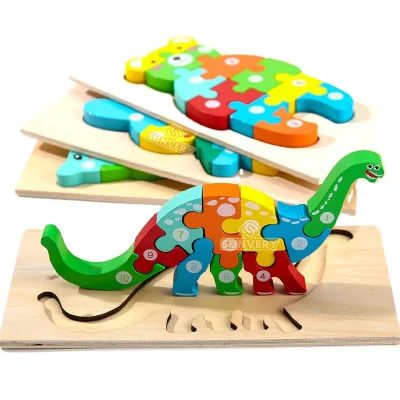
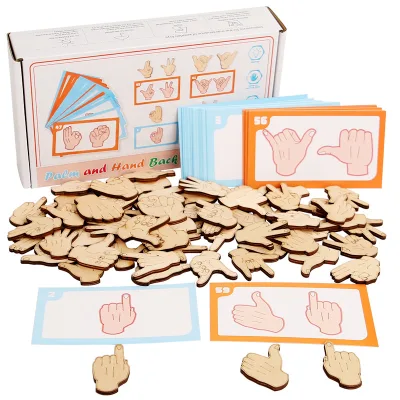
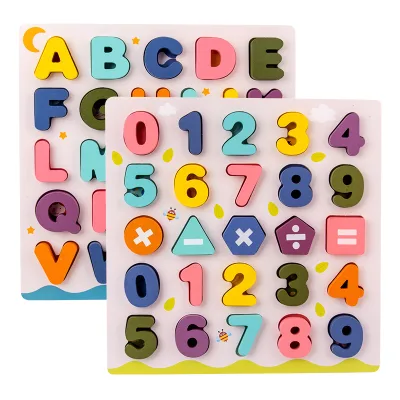
The current market landscape for eco-friendly Montessori puzzles features a diverse array of wooden toys designed to enhance cognitive and motor skills in young children. Observed listings highlight products such as 3D puzzle blocks, gesture pairing puzzles, and wooden puzzle boards, all crafted from natural wood materials. These items are typically marketed as educational toys that support DIY learning experiences, catering to unisex audiences across various age ranges, including toddlers and early elementary students. The emphasis on colorful designs and cartoon themes suggests a focus on engaging young learners while maintaining the structural integrity required for Montessori-style hands-on education.
Manufacturers in this sector often provide flexible packaging options, including color boxes, blister packaging, and standard cartons, which impact logistics and shelf appeal. The observed supply chain indicates a high production capacity, with some suppliers offering up to 3000 sets per week, suggesting robust manufacturing infrastructure. Buyers should note that while many products claim eco-friendly attributes, the specific environmental certifications and material sourcing practices vary significantly between suppliers. It is crucial to verify these claims through direct supplier communication and third-party testing, ensuring that the "eco-friendly" label is substantiated by verifiable data rather than marketing assertions.
Technical Specifications to Verify
Technical verification begins with confirming the physical dimensions and weight of the puzzle components, which directly influence shipping costs and product usability. Observed specifications include single package sizes ranging from compact blister packs to larger carton boxes, with weights varying from 0.25 kg to 0.6 kg per unit. Buyers must ensure that the puzzle pieces are appropriately sized to prevent choking hazards, particularly for products targeting children under three years old. The model numbers and product names provided by suppliers should be cross-referenced with physical samples to confirm consistency in design and functionality, ensuring that the educational objectives are met through precise engineering.
Material composition is another critical technical aspect, with wood being the primary material for most eco-friendly puzzles. Buyers should request detailed material specifications, including the type of wood used and the nature of any adhesives or finishes applied. The presence of non-toxic, eco-friendly coatings is essential for maintaining safety standards, and suppliers should provide evidence of these properties through independent laboratory testing. Additionally, the structural integrity of the puzzle pieces must be assessed to ensure they can withstand repeated use without splintering or breaking, which is vital for maintaining the educational value and safety of the product over time.
Compliance and Safety Documentation
Compliance with international safety standards is non-negotiable for eco-friendly Montessori puzzles, particularly when targeting markets in North America and Europe. Buyers must verify that suppliers possess valid certifications such as CE, EN71, CPC, and ASTM, which attest to the product's safety and quality. These certifications should be current and issued by recognized testing laboratories, providing assurance that the puzzles meet rigorous requirements for mechanical, physical, and chemical safety. The absence of these certifications or the presence of outdated documents should be treated as a significant red flag, indicating potential risks to child safety and regulatory non-compliance.
In addition to product-specific certifications, buyers should inquire about the supplier's quality management systems and their commitment to continuous improvement. Documentation should include detailed test reports that cover aspects such as lead content, phthalate levels, and flammability, ensuring that all materials used in the puzzle are safe for children. Suppliers who are transparent about their testing processes and willing to share comprehensive documentation are more likely to deliver products that meet the highest safety standards. Buyers should also verify that the packaging materials comply with relevant environmental regulations, further supporting the eco-friendly claims of the product.
Cost Drivers and Commercial Terms
Cost structures for eco-friendly Montessori puzzles are influenced by several factors, including material quality, certification requirements, and order volume. Observed price ranges vary significantly, reflecting differences in product complexity and supplier capabilities. Buyers should expect minimum order quantities (MOQs) to range from small batches for testing to larger volumes for full-scale production, with some suppliers requiring MOQs of 100 sets or more. Understanding these commercial terms is essential for budgeting and planning, as higher MOQs may offer better unit prices but require greater capital investment and storage capacity.
Payment terms and lead times are also critical components of the procurement process, affecting cash flow and inventory management. Buyers should negotiate favorable payment terms, such as partial upfront payments and balance upon shipment, to mitigate financial risk. Lead times can vary based on production capacity and customization requirements, so it is important to establish clear timelines with suppliers. Additionally, buyers should consider the total cost of ownership, including shipping, duties, and potential returns, to ensure that the final landed cost aligns with their pricing strategy and profit margins.
Supplier Qualification and Quality Control
Supplier qualification is a multi-step process that involves assessing manufacturing capabilities, quality control systems, and ethical practices. Buyers should conduct thorough due diligence, including factory audits and sample evaluations, to verify that suppliers can consistently produce high-quality eco-friendly puzzles. Suppliers with OEM/ODM capabilities should be evaluated on their ability to customize products while maintaining strict adherence to safety and quality standards. It is essential to establish clear communication channels and regular reporting mechanisms to monitor production progress and address any issues promptly.
Quality control measures should be integrated into the procurement process, starting with pre-production samples and continuing through final inspections. Buyers should define specific quality criteria, including material specifications, dimensional accuracy, and finish quality, and ensure that suppliers have robust inspection protocols in place. Third-party inspection services can provide an additional layer of assurance, verifying that the products meet the agreed-upon standards before shipment. Establishing a strong partnership with suppliers based on mutual trust and transparency is key to long-term success in sourcing eco-friendly Montessori puzzles.
Long-Term Procurement Checks
Long-term procurement success depends on continuous monitoring and evaluation of supplier performance and product quality. Buyers should establish key performance indicators (KPIs) to track metrics such as on-time delivery, defect rates, and customer feedback, using this data to drive improvements and maintain high standards. Regular reviews of supplier certifications and compliance documentation are essential to ensure ongoing adherence to safety and environmental regulations. Buyers should also stay informed about changes in market trends and regulatory requirements, adapting their sourcing strategies accordingly to remain competitive and compliant.
Building a resilient supply chain involves diversifying suppliers and maintaining strong relationships with key partners. Buyers should periodically reassess their supplier base, identifying potential risks and opportunities for improvement. Engaging in collaborative planning with suppliers can help optimize production schedules and reduce lead times, enhancing overall efficiency. Additionally, buyers should consider the environmental impact of their sourcing decisions, seeking out suppliers who demonstrate a genuine commitment to sustainability and ethical practices. By prioritizing long-term partnerships and continuous improvement, buyers can ensure a steady supply of high-quality, eco-friendly Montessori puzzles that meet the needs of their customers.
FAQs
What certifications do these wooden puzzles have?
These wooden puzzles hold CE, EN71, CPC, and ASTM certifications to ensure safety for children. The products are explicitly labeled as eco-friendly and non-toxic, meeting international toy safety standards required for export markets. This ensures compliance for buyers seeking verified safe educational toys for young children.
Can I customize the logo on these toys?
Yes, you can customize the logo on these toys as OEM and ODM services are highly welcomed. The supplier accepts customized logos and supports various packaging methods including color boxes and blister packaging. This flexibility allows buyers to brand the products according to their specific market requirements.
What is the minimum order quantity for these puzzles?
The minimum order quantity is 100 sets for these wooden puzzle games. Some listings indicate an MOQ range starting from 3 up to 3000 depending on the specific model and negotiation. Buyers should verify the exact requirement for their chosen model number before placing an order.
Where are these wooden toys manufactured?
These wooden toys are manufactured in Zhejiang, China, with dispatch available from the Ningbo port. The production facility has a supply ability of 3000 sets per week to meet demand. This location ensures efficient logistics for international buyers sourcing educational wooden toys.
Which age groups are suitable for these puzzles?
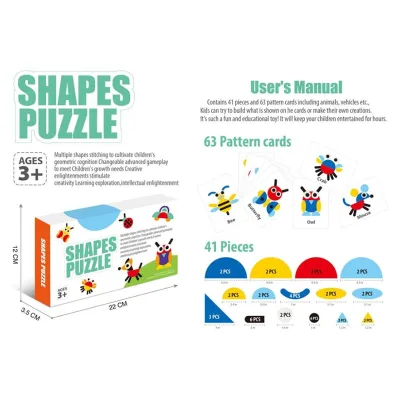
These puzzles are suitable for children aged 2 to 13 years, covering ranges like 2-4, 5-7, and 8-13 years. Specific models target ages 3 and up, making them versatile for various developmental stages. The design supports both educational goals and entertainment for unisex audiences.
How are these puzzles packaged for shipping?
These puzzles are packaged in cartons, color boxes, or blister packaging depending on the specific product model. The single package sizes vary, such as 25x15x7 cm or 30x30x1.6 cm, with weights ranging from 0.25 kg to 0.6 kg. This ensures safe transport and easy handling for bulk orders.